Approach
Early concepts reviewed with leadership did not fully support the product goals or define the end-to-end deployment experience. Critical workflows were unclear, limiting stakeholder confidence in the solution. To move the work forward, I partnered with Product and UX leadership to clarify goals, scope, risks, and target users.
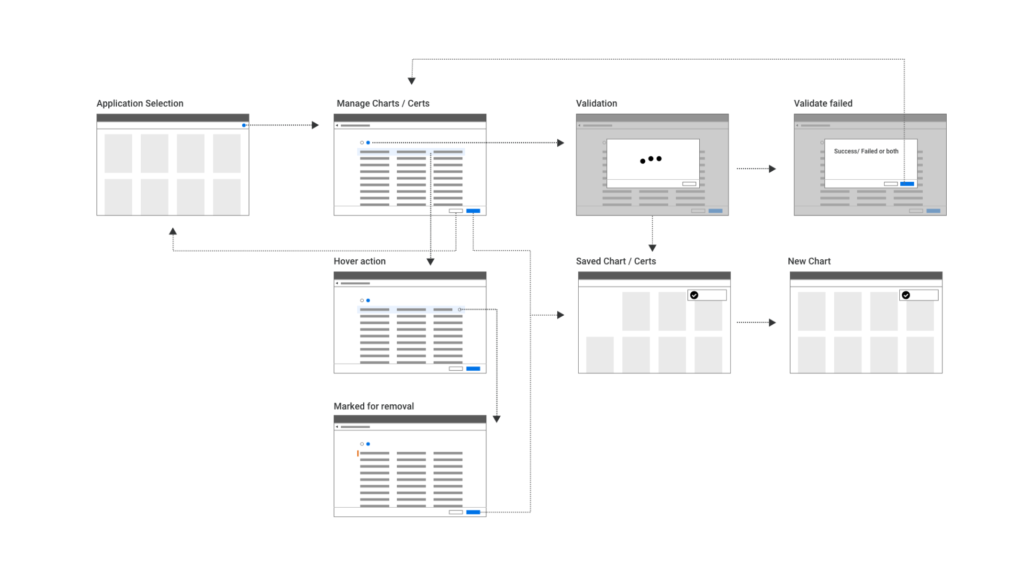
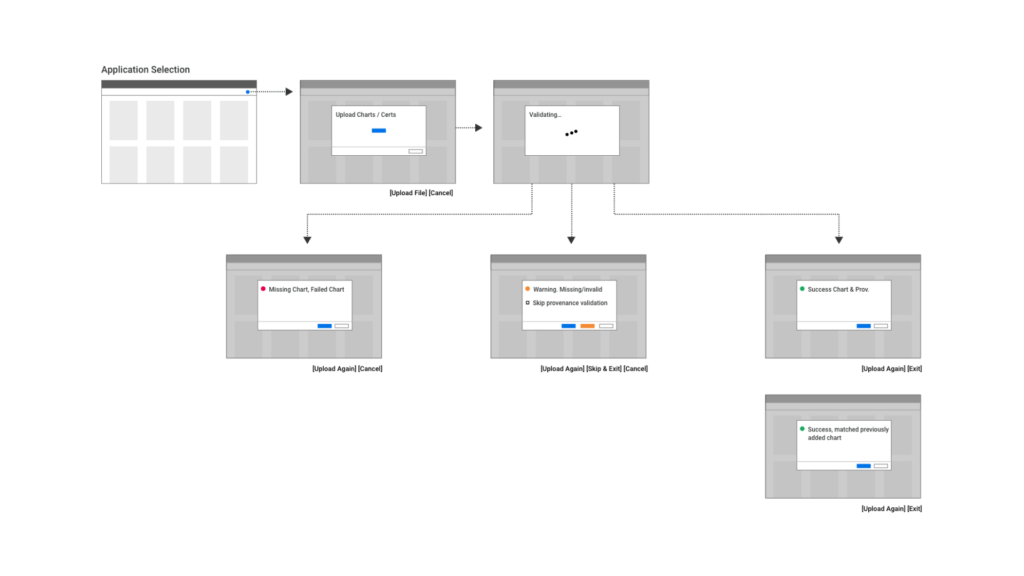
I began by creating detailed workflow diagrams for all core tasks, mapping how users would discover applications, manage charts, configure options, and encounter error handling. From these flows, I re-envisioned the experience around two distinct but connected UI layers: applications, and deployments.
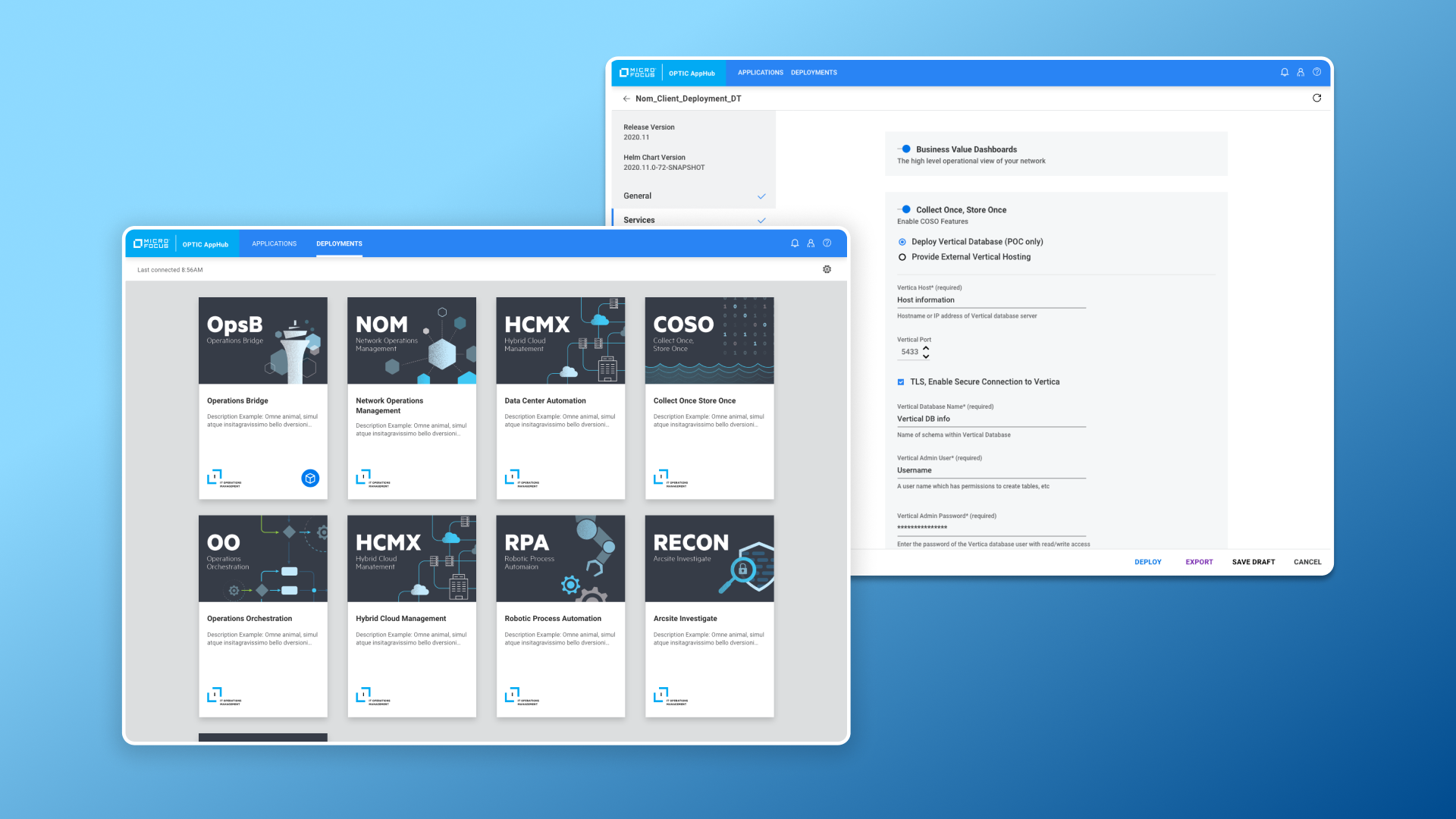
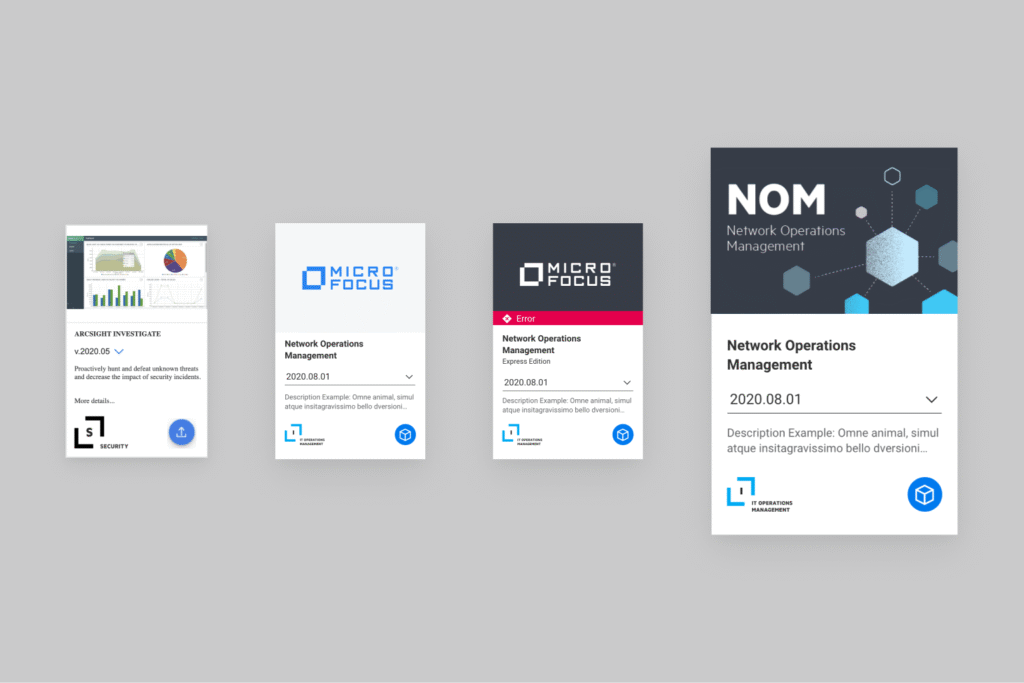
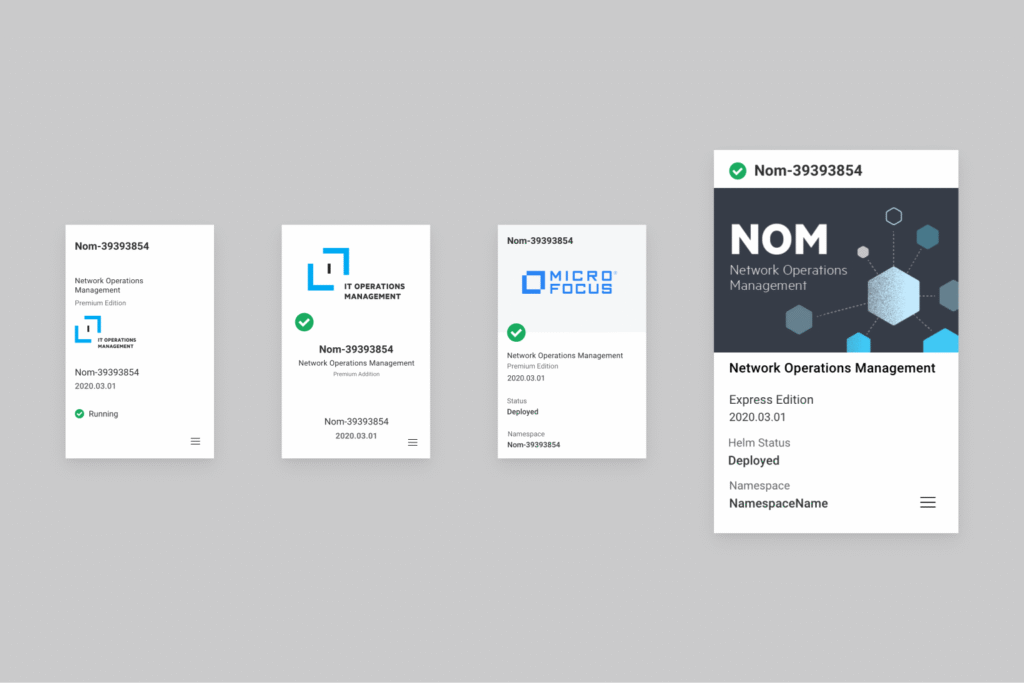
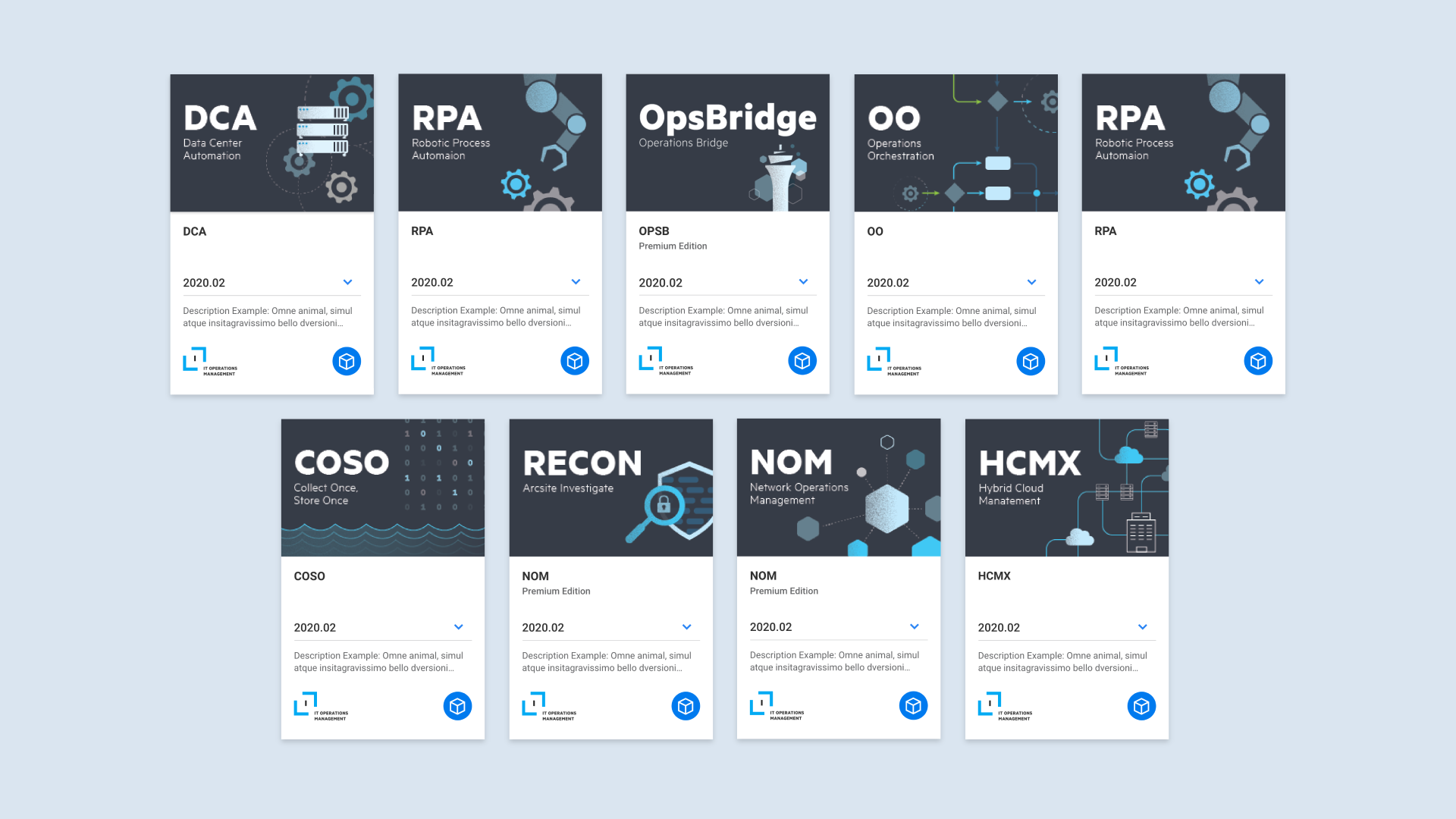
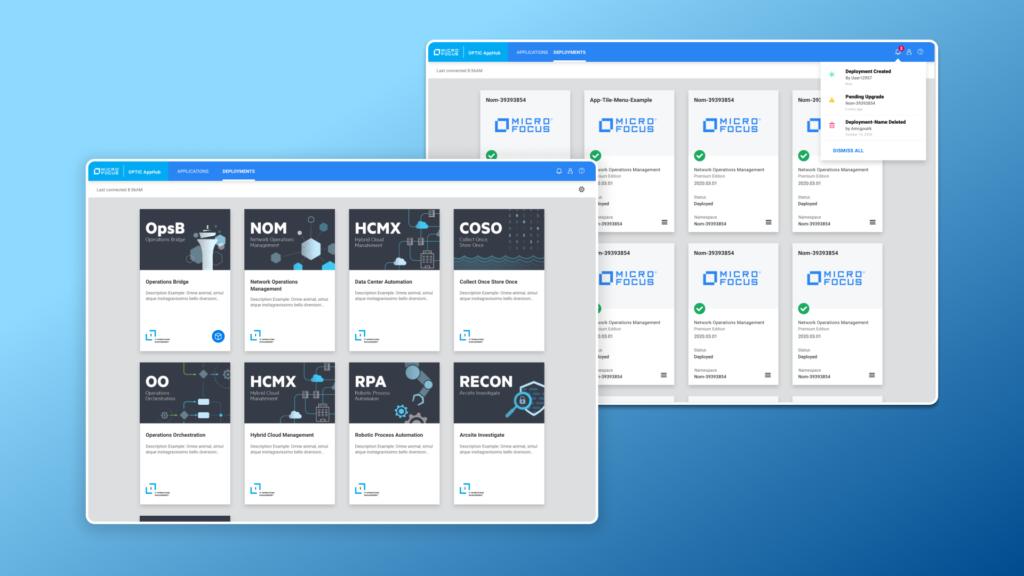
The experience uses two complementary card types: application cards designed for product discovery and comparison, and deployment cards designed for operational visibility—showing live status, alerts, metrics, and available actions throughout the deployment lifecycle.
Product branding, was applied the application tiles to create recognition and differentiation without interfering with deployment workflows.
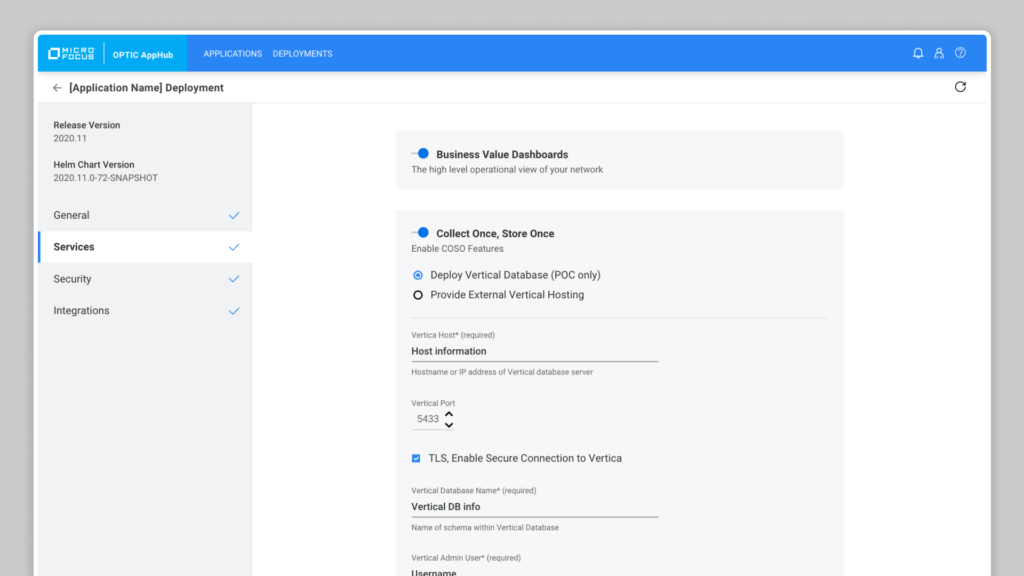
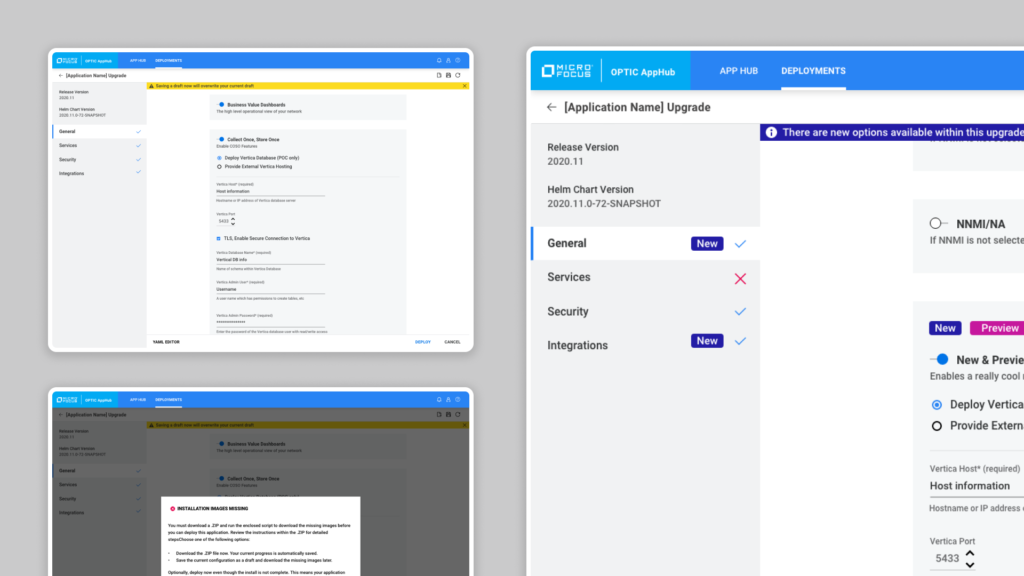
I then focused on the deployment configuration experience, designing scalable form workflows that accounted for nested chart options, validation rules, EULA agreements, and custom inputs. Form and card patterns were systemized to ensure consistency and long-term maintainability, with close collaboration with engineering to define edge cases and QA implementation.
Each sprint, I delivered new prototypes aligned to backlog priorities, enabling rapid iteration, stakeholder alignment, and continuous expansion of platform functionality.
Constraints & Trade-offs
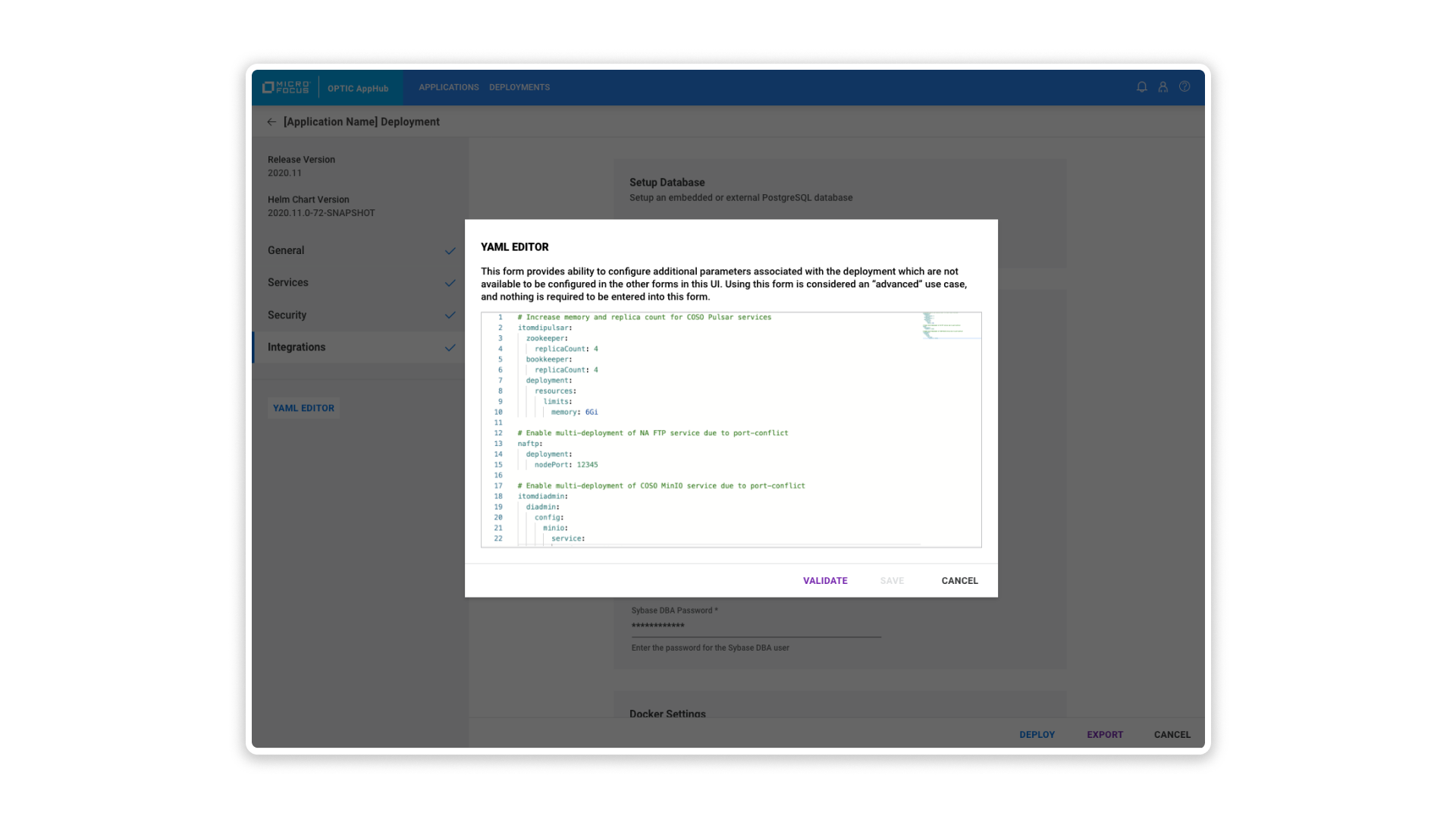
Engineering and leadership aligned on a constrained MVP configuration to reduce deployment risk, but this limited flexibility for advanced users. To balance safety with customization, I introduced a YAML builder for advanced chart configurations, paired with a validator that detected conflicts with form selections and prevented invalid deployments
This approach preserved the reliability of the MVP while enabling power-user flexibility without increasing form complexity.